
Pancreatic disease primarily refers to conditions affecting the pancreas, including pancreatitis, pancreatic cancer, and exocrine pancreatic insufficiency. Pancreatitis, which can be acute or chronic, involves inflammation of the pancreas and can lead to severe complications if left untreated. The pancreas plays a crucial role in digestion and blood sugar regulation, making its health vital for overall well-being. Early diagnosis and appropriate treatment are essential for effectively managing these conditions.
Pancreatic Diseases
Why Choose Us?
 Expert Care
Assoc. Prof. Apostolou strives to deliver unparalleled medical care and support.
Compassionate Follow Up
Experience unwavering encouragement from our dedicated team every step of the way.
The pancreas is a vital organ behind the stomach that plays a key role in the digestive and endocrine systems. It produces digestive enzymes that help in breaking down food and hormones like insulin that regulate blood sugar levels.
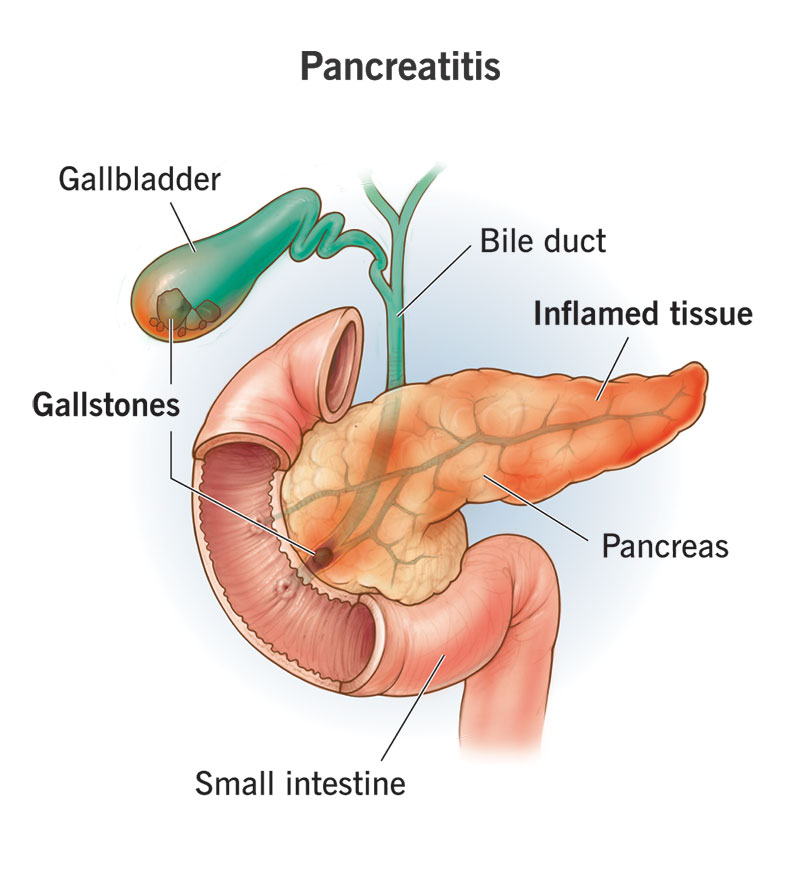
Pancreatic diseases encompass a variety of disorders, with pancreatitis being the most common. Pancreatitis can be acute or chronic, often caused by factors like excessive alcohol consumption, gallstones, or certain medications. This inflammation of the pancreas can lead to severe abdominal pain, nausea, and complications if not managed properly.
Pancreatitis is the inflammation of the pancreas and can be classified into two types: acute and chronic.
Acute pancreatitis:
It is sudden in onset and is usually caused by gallstones or alcohol. Pancreatitis occurs when the digestive enzymes attack and damage the pancreas. Acute pancreatitis that damages the pancreatic duct may progress to chronic pancreatitis.
Chronic pancreatitis:
The major cause is chronic alcohol consumption. It is characterised by abdominal pain, nausea, and vomiting.
Certain complications of pancreatitis may require surgery.
If pancreatitis results from gallstones, a cholecystectomy (surgical removal of the gallbladder) is performed.
Types of Cholecystectomy
Robotic cholecystectomy
A newer technique which may allow faster recovery; Prof. Apostolou will discuss this with you if appropriate.
Laparoscopic cholecystectomy
This surgical technique removes the gallbladder using several small incisions rather than a large one. It employs a laparoscope, a thin tube with a tiny camera and lens, allowing the surgeon to view the internal area on a larger screen.
Other Surgical Interventions
If complications such as pancreatic enlargement, bleeding, pseudocysts, or abscess development arise, surgical drainage, repair, or removal of the affected tissue may be necessary.
Pancreatic cancer is an uncontrolled cell division in the pancreas. Individuals who smoke, consume alcohol chronically, or have diabetes mellitus are at higher risk of developing cancer. The risk is also elevated in individuals with a family history of pancreatic cancer or hereditary pancreatitis.
Various diagnostic procedures are used to detect pancreatic cancer, including:
-
Abdominal ultrasound
-
Abdominal computed tomography (CT)
-
Percutaneous biopsy
-
Endoscopic ultrasound with biopsy
Treatment depends on the stage of the cancer and may include chemotherapy, radiation therapy, and/or surgery.
Decision-making is part of a multidisciplinary team, of which A/Prof. Apostolou is a regular contributor and may chair at the Sydney Adventist Hospital. Here, a group of specialists—including oncologists, surgeons, and radiologists, among others—discuss best-practice options for the treatment of patients with this challenging condition.
Surgical Procedures
Whipple procedure:
This is the most common surgical procedure for cancer involving the head of the pancreas. In this procedure, the head of the pancreas, duodenum, gallbladder, and a portion of the stomach are removed. The gallbladder is usually removed at the same time.
Distal subtotal pancreatectomy:
This surgical treatment is performed when pancreatic cancer is located in the body or tail of the pancreas. In this procedure, the body and tail of the pancreas, as well as the spleen, are removed. Appropriate immunisation is administered in relation to the splenectomy.
Robotic surgery utilises advanced technology to enhance the precision, control, and visualisation available to surgeons during a variety of procedures. This approach allows for greater dexterity and accuracy, which can be particularly beneficial in complex or delicate operations.
Robotic surgery uses incisions similar to those in laparoscopic surgery but offers greater instrument dexterity and enhanced 3D high-magnification visualisation, which can lead to improved outcomes for patients.
Related Topics
Get Your Essential Info Pack Now!
Download our info pack to further understand the weight loss surgery process.





We consult at
-
Sydney Adventist Hospital
Suite 220, Level 2, Clark Tower
185 Fox Valley Road
Wahroonga NSW 2076 -
Northern Beaches Hospital
Suite 16 Level 7
105 Frenchs Forest Rd W
Frenchs Forest NSW 2086
Get in touch
WE’D LOVE TO HEAR FROM YOU