Gastric Sleeve

Summary

Sleeve gastrectomy surgery is a common weight loss procedure to treat obesity, one of the leading causes of preventable death worldwide. The surgery results in a smaller, tube-like stomach pouch that quickly fills after small amounts of food are eaten enabling patients to drop weight quickly without feeling hungry.

Why Choose Us?

Expert Care

Assoc. Prof. Apostolou strives to deliver unparalleled medical care and support.

Compassionate Follow Up

Experience unwavering encouragement from our dedicated team every step of the way.

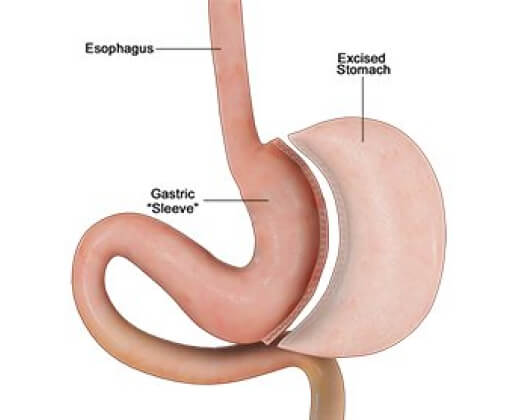
The Gastric Sleeve, also known as Sleeve Gastrectomy, is one of the most common and effective bariatric procedures available today. It involves removing a portion of the stomach to create a smaller, sleeve-shaped stomach pouch. This reduces hunger hormones, helps you feel full sooner, and supports long-term weight loss. The procedure is performed laparoscopically or with robotic assistance, offering high precision and faster recovery for most patients.

Advantages

  • Significant and sustained weight loss
  • Reduced hunger due to decreased ghrelin production
  • No intestinal rerouting
  • Shorter operative time compared to gastric bypass
  • Improvement or remission of obesity-related conditions (diabetes, hypertension, sleep apnea)
  • Typically quicker recovery and less postoperative discomfort, especially with robotic surgery

Disadvantages

  • Irreversible removal of part of the stomach
  • Potential for acid reflux or worsening of existing reflux
  • Weight loss may be slower compared to gastric bypass
  • Requires long-term lifestyle changes and nutritional monitoring

After gastric sleeve surgery, patients follow a structured recovery plan. This usually includes:

  • A gradual progression from liquids to pureed foods, then soft foods, and finally a balanced solid diet
  • Hydration goals and vitamin supplementation
  • Avoidance of high-sugar and high-fat foods
  • Light activity within days of surgery, progressing to regular exercise as approved
  • Routine follow-up visits to monitor healing, weight loss, and nutritional status

Healing is generally quicker with minimally invasive or robotic techniques, resulting in less pain and shorter downtime.

Although gastric sleeve surgery is safe and well-established, potential risks include:

  • Staple line leak
  • Bleeding
  • Infection
  • Stricture (narrowing of the sleeve)
  • Nutrient deficiencies if supplements and follow-ups are neglected
  • GERD or worsening reflux

Your surgeon will evaluate your health history to minimize these risks and guide you in making an informed decision.

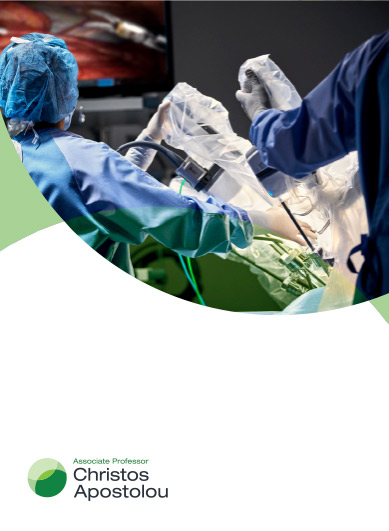
Robotic surgery allows for enhanced precision, control, and visualization. Many surgeons find that the robotic platform improves their ability to perform delicate maneuvers, especially in patients with higher BMI or previous abdominal surgeries. The benefits for patients may include:

  • Smaller incisions
  • Less postoperative pain
  • Lower blood loss
  • Faster recovery and return to daily activities

If you want, I can rewrite this section to match a specific surgeon’s voice or experience—just send the details.

Related Topics

Get Your Essential Info Pack Now!

Download our info pack to further understand the weight loss surgery process.

We consult at

  • Sydney Adventist Hospital
    Suite 220, Level 2, Clark Tower
    185 Fox Valley Road
    Wahroonga NSW 2076

  • Northern Beaches Hospital
    Suite 16 Level 7
    105 Frenchs Forest Rd W
    Frenchs Forest NSW 2086

Get in touch

WE’D LOVE TO HEAR FROM YOU

Name(Required)