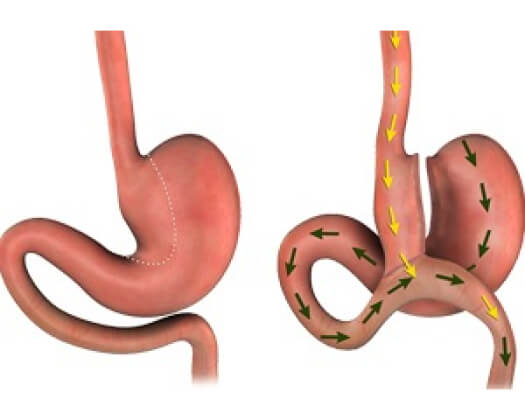
Gastric Bypass

Summary

Gastric bypass surgery is an effective treatment for obesity, which is one of the leading causes of preventable death worldwide. The aim of this procedure is to help you lose significant weight by making you feel full faster with smaller amounts of food while absorbing fewer calories.

The success of gastric bypass varies based on individual eating habits and exercise after surgery. Commitment to lifestyle changes and regular follow-up visits with your healthcare provider are essential for achieving lasting results.

Why Choose Us?

Expert Care

Assoc. Prof. Apostolou strives to deliver unparalleled medical care and support.

Compassionate Follow Up

Experience unwavering encouragement from our dedicated team every step of the way.

Gastric bypass, also known as Roux-en-Y gastric bypass, is a bariatric or weight loss surgery for obese patients who have not been successful losing weight through dieting, exercise, and medication.

The surgery uses a combination of restrictive and malabsorptive techniques to achieve a successful outcome. Staples are used to create a smaller stomach to limit the amount of food intake, and a large portion of the small intestine is bypassed to limit the nutrients and calories absorbed.

The goal of the surgery is to make you feel full quicker so you don’t overeat, and absorb fewer calories by the modifications made in the small intestine.

Gastric bypass surgery has been shown to help reduce obesity and related illnesses, including heart disease, high blood pressure, and especially type 2 diabetes.

It can be performed laparoscopically through tiny incisions (minimally invasive technique) or through a large open incision (open technique).

Gastric bypass (Roux-en-Y) is a bariatric procedure that helps with significant weight loss by reducing stomach size and bypassing part of the small intestine. This limits how much you can eat and decreases calorie absorption.
It is especially effective for improving obesity-related conditions such as type 2 diabetes, hypertension, sleep apnea, and fatty liver disease.

You may be a candidate for gastric bypass if you:

  • Have a BMI ≥ 40, or
  • Have a BMI ≥ 35 with health conditions related to obesity
  • Have not achieved lasting results with diet, exercise, or medication
  • Need a procedure with strong metabolic effects (e.g., for difficult-to-control diabetes)

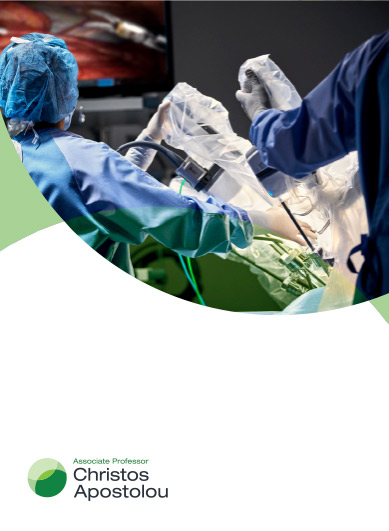
Gastric bypass is usually performed laparoscopically or with robotic assistance.
The procedure involves:

  • Creating a small stomach pouch
  • Connecting this pouch directly to a lower section of the small intestine
  • Bypassing the rest of the stomach and upper intestine

This leads to earlier fullness, fewer absorbed calories, and strong metabolic changes that help with long-term weight loss.

After surgery, patients follow a structured recovery plan:

  • Liquid → puréed → soft → solid diet progression 
  • Lifelong vitamin and mineral supplementation 
  • Regular follow-up appointments to monitor weight, nutrition, and healing 

Gradual return to physical activity
Most patients recover quickly due to minimally invasive or robotic techniques.

Advantages

  • Significant and long-term weight loss 
  • High rate of remission for type 2 diabetes 
  • Improvement in many obesity-related conditions 
  • Strong metabolic effect due to both restriction and reduced absorption 

Disadvantages

  • More complex than other bariatric surgeries 
  • Requires lifelong vitamin supplementation 
  • Risk of digestive symptoms like dumping syndrome 
  • Irreversible changes to stomach and intestine

Although considered safe and well-studied, gastric bypass carries potential risks:

  • Bleeding, infection, or blood clots 
  • Leaks at the surgical connections 
  • Ulcers or strictures 
  • Internal hernias or bowel obstruction 
  • Long-term vitamin and mineral deficiencies 
  • Dumping syndrome after high-sugar meals

Related Topics

Get Your Essential Info Pack Now!

Download our info pack to further understand the weight loss surgery process.

We consult at

  • Sydney Adventist Hospital
    Suite 220, Level 2, Clark Tower
    185 Fox Valley Road
    Wahroonga NSW 2076

  • Northern Beaches Hospital
    Suite 16 Level 7
    105 Frenchs Forest Rd W
    Frenchs Forest NSW 2086

Get in touch

WE’D LOVE TO HEAR FROM YOU

Name(Required)