Gall Stones

Summary

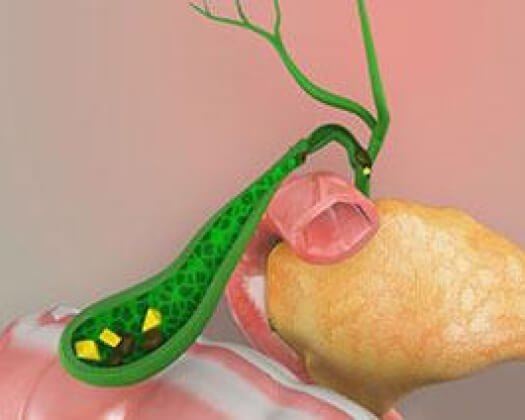
Gallstones are small stones made from cholesterol, bile pigments, and calcium salts, which form in a person’s gallbladder. Individuals at risk of developing gallstones may experience symptoms such as abdominal pain, particularly after meals, nausea, and indigestion. Diagnosis typically involves imaging tests such as ultrasounds or CT scans, and treatment often requires surgical removal of the gallbladder to prevent complications.

Why Choose Us?

Expert Care

Assoc. Prof. Apostolou strives to deliver unparalleled medical care and support.

Compassionate Follow Up

Experience unwavering encouragement from our dedicated team every step of the way.

Gallstones are solid formations that develop in the gallbladder, often resulting from an imbalance in the substances that make up bile. While many individuals may have gallstones without experiencing any symptoms, they can cause significant discomfort when they block the bile ducts. Common symptoms include severe pain in the upper abdomen, nausea, vomiting, and jaundice. It is important to be aware of the potential impact gallstones can have on digestive health.

Gallstones are hardened deposits that form inside the gallbladder. They can block the flow of bile and cause pain, nausea, and infections. Some people have no symptoms, while others may experience sudden episodes of severe abdominal pain (biliary colic) or complications like cholecystitis (gallbladder inflammation).

Gallbladder removal (cholecystectomy) may be recommended if you:

  • Have recurrent pain or biliary colic 
  • Develop gallbladder inflammation or infection 
  • Have gallstones blocking the bile duct 
  • Experience complications such as pancreatitis 
  • Have symptoms affecting daily life or quality of life 

Asymptomatic gallstones usually do not require surgery unless there is a high risk of complications.

Gallbladder removal is typically done laparoscopically or with robotic assistance.
During the procedure:

  • Small incisions are made in the abdomen 
  • The gallbladder is carefully removed 
  • Bile will then flow directly from the liver into the intestine 

The operation is safe, routine, and one of the most commonly performed surgical procedures.

After surgery, patients typically:

  • Go home the same day or the next morning 
  • Resume light activities within a few days 
  • Gradually return to normal diet, avoiding heavy or greasy foods at first 
  • Experience improved symptoms once gallstones are removed 

Full recovery is usually quick with minimally invasive or robotic techniques.

Advantages

  • Permanent solution for gallstone symptoms 
  • Prevents future attacks and complications 
  • Minimally invasive with small scars and fast recovery 
  • Reliable long-term results with very low recurrence 

Disadvantages

  • Cannot remove gallstones without removing the gallbladder 
  • Some patients may experience temporary digestive changes 
  • Rare risk of bile duct injury 
  • A small percentage may have long-term sensitivity to high-fat meals

Gallbladder surgery is very safe, but potential risks include:

  • Bleeding or infection 
  • Injury to nearby structures (bile duct, intestine) 
  • Bile leakage 
  • Blood clots (rare) 
  • Digestive changes such as bloating or loose stools 

Most complications are uncommon, and patients generally recover quickly.

Related Topics

Get Your Essential Info Pack Now!

Download our info pack to further understand the weight loss surgery process.

We consult at

  • Sydney Adventist Hospital
    Suite 220, Level 2, Clark Tower
    185 Fox Valley Road
    Wahroonga NSW 2076

  • Northern Beaches Hospital
    Suite 16 Level 7
    105 Frenchs Forest Rd W
    Frenchs Forest NSW 2086

Get in touch

WE’D LOVE TO HEAR FROM YOU

Name(Required)