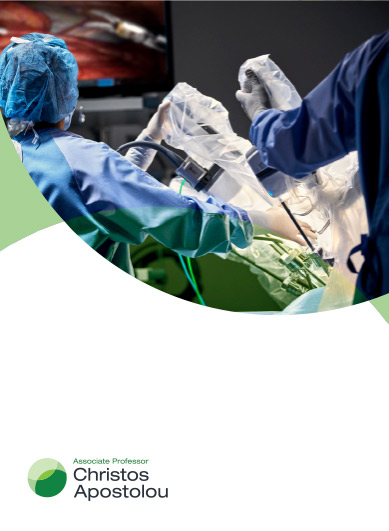

Oncology

Summary

Pancreatic cancer occurs when malignant cells develop in part of the pancreas. This may affect how the pancreas works, including the functioning of the exocrine or endocrine glands. Pancreatic cancer can occur in any part of the pancreas, but about 70% of pancreatic cancers are located in the head of the pancreas.

Exocrine tumours make up more than 95% of pancreatic cancers. The most common type, an adenocarcinoma, starts in the cells lining the pancreatic duct.

About 5% of pancreatic cancers are pancreatic neuroendocrine tumours (NETs). These start in the endocrine cells.

It is estimated that 4,641 people were diagnosed with pancreatic cancer in 2024. The average age at diagnosis is 72 years old.

Pancreatic cancer is the eighth most commonly diagnosed cancer in Australia, and it is estimated that one in 70 people will be diagnosed by the time they are 85.

Why Choose Us?

Expert Care

Our highly skilled specialists deliver unparalleled medical support.

Supportive Environment

Experience unwavering encouragement from our dedicated team every step of the way.

Early-stage pancreatic cancer rarely causes symptoms. Symptoms often only appear once the cancer is large enough to affect nearby organs, or has spread.

Symptoms can include:

  • pain in the abdomen
  • loss of appetite
  • nausea and vomiting
  • weight loss
  • change in bowel habit including diarrhoea, constipation or the feeling of incomplete emptying
  • jaundice (yellowish skin and eyes, and dark urine).


Less common signs include:

  • severe back pain
  • onset of diabetes (10-20% of people with pancreatic cancer develop diabetes).

Some factors that can increase your risk of pancreatic cancer include:

  • smoking tobacco
  • age – most cases occur in adults over the age of 60
  • diabetes, particularly newly diagnosed diabetes
  • a family history of pancreatic, ovarian or colon cancer
  • chronic pancreatitis
  • excessive alcohol consumption
  • obesity

Blood tests

Blood tests are used to check your general health and how your kidneys and liver are functioning.

Ultrasound

An ultrasound uses soundwaves to show the pancreas and surrounding area to see if a tumour is present.

CT scan

A CT (computerised tomography) scan uses x-rays to take multiple pictures of the inside of the body.

MRI

An MRI (magnetic resonance imaging) scan using magnetic waves to create a detailed image of the pancreas and surrounding organs.

PET scan

A PET (positron emission tomography) scan highlights any tumours present by injecting a small amount of radioactive substance.

Tissue sampling tests

Tissue sampling tests including fine-needle aspiration (needle biopsy), endoscopy and laparoscopy.

The tests you have will depend on the symptoms, type and stage of the cancer.

Staging

Imaging and tissue sampling tests (above) are used to determine the stage of the cancer.

The staging system used for pancreatic cancer is the TNM system, which describes the stage of the cancer from stage I to stage IV.

Types of treatment

Treatment for pancreatic cancer may include surgery, endoscopic treatment, chemotherapy or radiation therapy, or a combination of these treatments.

For early disease, surgery is the most common treatment – usually the Whipple operation, which is the removal of part of the pancreas, the first part of the small bowel (duodenum), part of the stomach and the gall bladder, and part of the bile duct.

For advanced pancreatic cancer, surgery may not be possible. Treatment is often to relieve symptoms such as pain and digestive problems.

Palliative care

In some cases of pancreatic cancer, your medical team may talk to you about palliative care. Palliative care aims to improve your quality of life by alleviating symptoms of cancer without aiming to cure it.

As well as slowing the spread of pancreatic cancer, palliative treatment can relieve pain and help manage other symptoms. Treatment may include radiotherapy, chemotherapy or other drug therapies.

Information source: https://www.cancer.org.au/types-of-cancer/pancreatic-cancer#treatment-for-pancreatic-cancer

Related Topics

Get Your Essential Info Pack Now!

Download our info pack to further understand the process.

We consult at

  • Sydney Adventist Hospital
    Suite 220, Level 2, Clark Tower
    185 Fox Valley Road
    Wahroonga NSW 2076

  • Northern Beaches Hospital
    Suite 16 Level 7
    105 Frenchs Forest Rd W
    Frenchs Forest NSW 2086

Get in touch

WE’D LOVE TO HEAR FROM YOU

Name(Required)