Hiatus Hernia & Anti-Reflux Surgery

Summary

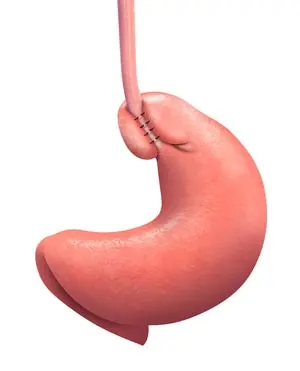
Gastric reflux surgery, also known as anti-reflux surgery or fundoplication, is an effective treatment for chronic gastro-oesophageal reflux disease (GORD). GORD occurs when stomach acid repeatedly flows back into the oesophagus, causing irritation, discomfort, and long-term complications. This procedure is designed to strengthen the lower oesophageal sphincter (LES) and prevent acid reflux by wrapping the top part of the stomach around the lower oesophagus.

Hiatus Hernia

A hiatus hernia is a common condition that often contributes to reflux symptoms. It occurs when a portion of the stomach pushes up through the diaphragm into the chest cavity, weakening the natural barrier that normally prevents acid from flowing back into the oesophagus. Many people with GORD also have a hiatus hernia, and the two conditions can worsen each other. During anti-reflux surgery, any existing hiatus hernia is typically repaired by bringing the stomach back into its correct position and tightening the opening in the diaphragm. This repair is an important step in restoring normal anatomy and achieving long-term relief from reflux.

Why Choose Us?

Expert Care

Assoc. Prof. Apostolou strives to deliver unparalleled medical care and support.

Tailored Programs

Each plan is meticulously customised to align with your unique goals and lifestyle.

Sustainable Results

We focus on achieving long-term success through a holistic approach that works.

Supportive Environment

Experience unwavering encouragement from our dedicated team every step of the way.

Performed using advanced laparoscopic techniques, this minimally invasive surgery requires only small incisions, reducing both recovery time and the risk of complications. A/Prof. Apostolou will mobilise the stomach and oesophagus, repair the hiatal hernia, and then carefully wrap the upper part of the stomach around the lower oesophagus, creating a new valve that prevents acid from moving back into the oesophagus. This procedure is highly effective for patients who do not find relief with medications or who experience frequent flare-ups.

Sometimes there is a little chest pain in the first couple of days, but most people don’t need much pain relief by the time they go home a few days after surgery.

Your diet will gradually progress from fluids to puréed foods, then to soft foods, and eventually to normal food over the course of a few weeks. After keyhole surgery, your stitches are usually dissolvable, and the small dressings are removed after about two weeks.

Anti-reflux surgery offers lasting relief from chronic heartburn and acid reflux by fixing the underlying problem—strengthening the valve between the stomach and oesophagus—so patients can enjoy fewer symptoms, better sleep, and protection from long-term damage to the oesophagus without needing to rely on daily medications.

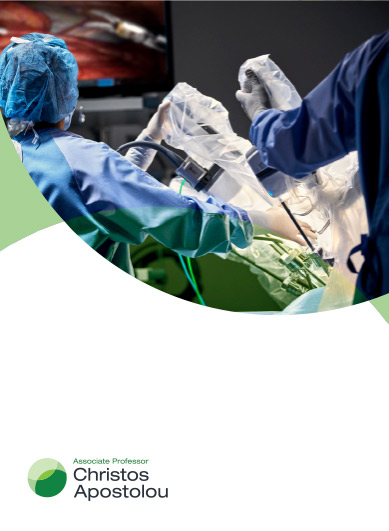
When performed with robotic assistance, the surgery can be even more precise and less invasive, often leading to smaller incisions, less pain, quicker recovery, and a faster return to normal activities. This combination means patients not only get durable relief from reflux but also benefit from the accuracy and gentleness of modern robotic technology.

Related Topics

Get Your Essential Info Pack Now!

Download our info pack to further understand the weight loss surgery process.

We consult at

  • Sydney Adventist Hospital
    Suite 220, Level 2, Clark Tower
    185 Fox Valley Road
    Wahroonga NSW 2076

  • Northern Beaches Hospital
    Suite 16 Level 7
    105 Frenchs Forest Rd W
    Frenchs Forest NSW 2086

Get in touch

WE’D LOVE TO HEAR FROM YOU

Name(Required)